
By Irfan Syauqi Beik
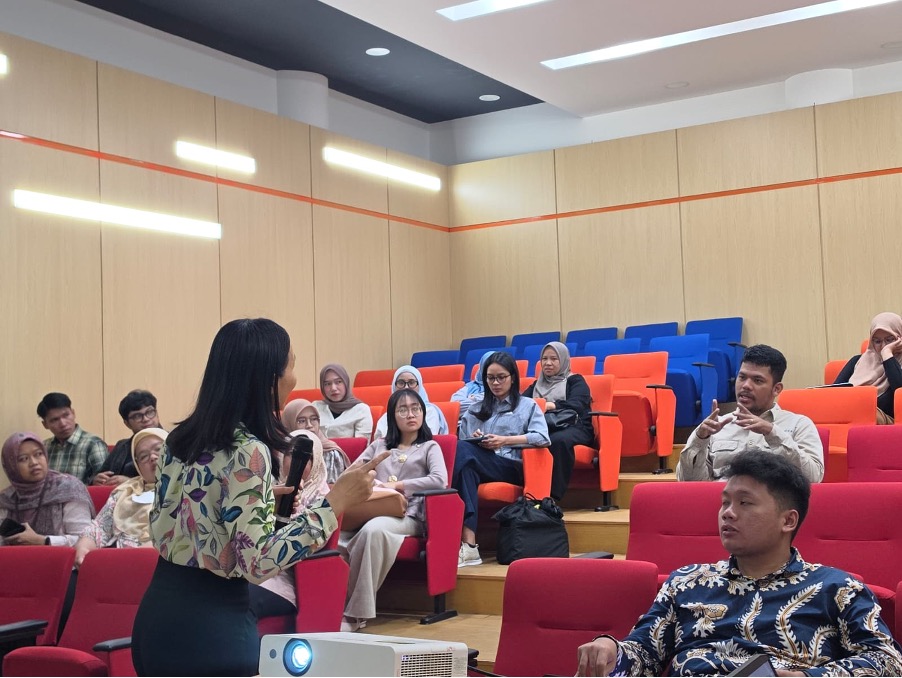
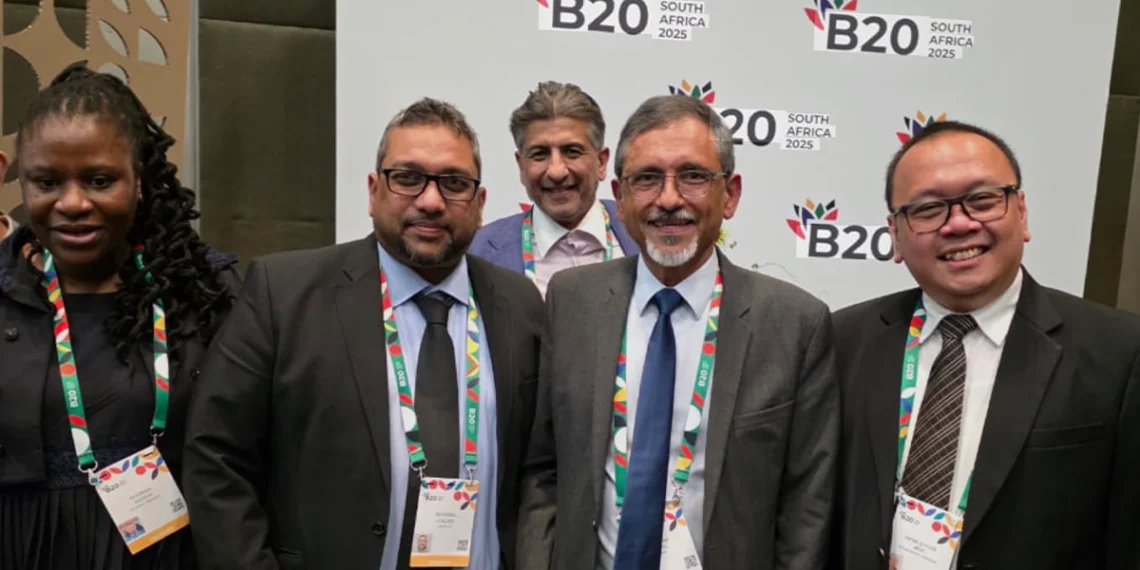
When I stood before an audience of bankers, regulators, investment managers and community leaders at the Islamic Finance Forum in Johannesburg in November 2025, which was held as a side event during the G20 Summit, one question kept surfacing in different forms: can Islamic finance genuinely move the needle on Africa’s development challenges, or is it destined to remain a niche product for a niche market?
Having spent the past two decades researching and helping build Islamic social finance institutions in Indonesia, my answer is unambiguous. Islamic finance and waqf are not merely alternatives to conventional development finance. They are, if properly structured, among the most powerful tools available for closing Africa’s infrastructure gap and building broad-based, inclusive growth.
The scale of the challenge is well documented. The African Development Bank estimates that the continent needs somewhere between $130 billion and $170 billion a year for infrastructure, such as roads, ports, power grids, water systems and digital networks, of which only about half is currently being financed. That shortfall is not an abstract statistic. It is the reason millions of Africans still lack reliable electricity, why goods take longer and cost more to move across borders, and why so much human potential remains untapped. Closing this gap requires more than goodwill. It actually requires new financing architecture.
This is precisely where Islamic finance has something distinctive to offer. Unlike much of conventional development finance, Islamic instruments are anchored in real economic activity rather than pure debt speculation. A sukuk, for instance, represents a certificate of ownership in a tangible asset or project, not simply a promise to repay borrowed money with interest. This asset-backed, risk-sharing character makes Islamic finance instruments naturally suited to long-term public investment. It is also precisely the kind of transparency and social impact orientation that increasingly appeals to global ESG and ethical investors, Muslim and non-Muslim alike.
Several sukuk structures are particularly relevant for Africa’s context. Project-based sukuk can finance specific infrastructure such as highways, ports, airports and hospitals, with returns tied directly to the performance of that asset. Green and sustainability sukuk can channel capital into renewable energy, water management and climate resilience, which have become urgent priorities given how exposed African economies are to climate shocks. Sovereign sukuk allow governments to raise infrastructure capital while signalling fiscal discipline and Shariah-compliant governance to international investors. Diaspora sukuk offer a compelling, underused avenue for mobilising the savings of African communities abroad, including South Africa’s own well-established Muslim diaspora networks, into ethical and transparent investment in their countries of origin.
Indonesia’s experience offers a useful reference point. Since its first sovereign sukuk issuance, the government has built a mature, growing market for state Islamic securities that now finances everything from toll roads to renewable energy projects, while simultaneously deepening domestic capital markets and financial inclusion. It has not been without its complexities, but it demonstrates that sukuk markets can scale from modest beginnings into a mainstream financing instrument within a generation, a timeline well within reach for African economies with the right regulatory groundwork.
But sukuk alone will not close Africa’s development gap, particularly for the social infrastructure, such as schools, clinics and community facilities, that markets alone struggle to finance profitably. This is where waqf, the Islamic institution of perpetual charitable endowment, becomes indispensable. Waqf is not new to Africa. Endowment traditions run deep across the continent’s Muslim communities. What Indonesia has pioneered is a set of mechanisms that integrate waqf with modern Islamic finance so that these endowments do more than sit static. They can generate sustainable, scalable development impact.
Consider Cash Waqf Linked Sukuk (CWLS), a state-backed instrument in which waqf funds collected by professional endowment managers, known as nazir, are invested in sovereign sukuk. The returns are then channelled entirely into social programmes, while the underlying waqf principal itself remains protected in perpetuity. This structure has funded a glaucoma and retina centre at a hospital in Banten, Indonesia, and my own institution, IPB University, has used CWLS proceeds to support a national food security programme.
A parallel instrument, Cash Waqf Linked Deposit (CWLD), allows Islamic banks to place endowment funds in Shariah-compliant deposits whose returns fund designated social causes. IPB University’s own CWLD, developed with its alumni association and Bank Syariah Indonesia, mobilised the equivalent of roughly 20 billion rupiah (USD 1.13 million) from 254 waqif, comprising individuals and institutions alike, entirely to fund student scholarships. Meanwhile, Islamic securities crowdfunding platforms have linked waqf land with sukuk-based financing to build community health facilities, such as a waqf-based clinic in Batam, Indonesia, that now serves low-income patients.
What unites these examples is a principle I call Islamic blended finance, combining Islamic commercial instruments with Islamic social finance to serve objectives that neither could achieve alone, i.e. the Sustainable Development Goals, financial inclusion and equitable growth. Waqf land can provide the site, sukuk financing can build the facility, waqf-linked endowment funds can service the financing obligations, and cash waqf, collected in small amounts from ordinary citizens, can mobilise capital at a scale that dwarfs what any single wealthy donor could provide alone.
The developmental logic here extends well beyond any single project. Better infrastructure, financed ethically and sustainably, produces multiplier effects across the economy. Improved logistics boosts agricultural exports while reliable power drives industrialisation. New hospitals and schools strengthen human capital. Financial inclusion through Islamic banking and waqf-based microfinance brings small enterprises into the formal economy, and improved connectivity supports tourism and trade. Infrastructure, in other words, is not the end goal. It is basically the foundation for the kind of broad-based prosperity that African Muslim communities, alongside their fellow citizens, deserve.
None of this happens automatically. Indonesia’s progress rested on deliberate choices, i.e. building regulatory frameworks for sukuk issuance, professionalising waqf governance through licensed nazir institutions, and forging genuine partnerships between Islamic banks, capital market regulators and waqf boards. African nations considering this path will need to make their own versions of these choices, adapted to local legal systems, institutional capacity and market realities.
What Africa does have is an opportunity rarely available to a continent facing such acute development needs, i.e. a set of financial instruments that are simultaneously Shariah-compliant, commercially credible and socially transformative. South Africa, with its sophisticated financial sector and established Muslim community, is well positioned to serve as a regional hub for this kind of Islamic development finance, much as Malaysia and Indonesia have done in Southeast Asia.
The question is no longer whether Islamic finance and waqf can contribute meaningfully to Africa’s development. The question is how quickly the continent’s policymakers, financial institutions and waqf boards choose to build the frameworks that will let them do so.
Dr Irfan Syauqi Beik is Dean of the Faculty of Economics and Management at IPB University, Indonesia, and Deputy Secretary General of the World Zakat and Waqf Forum (WZWF). He spoke at the Islamic Finance Forum 20 in Johannesburg in November 2025 as part of the G20 Summit side event.
Related Posts
October 16, 2026
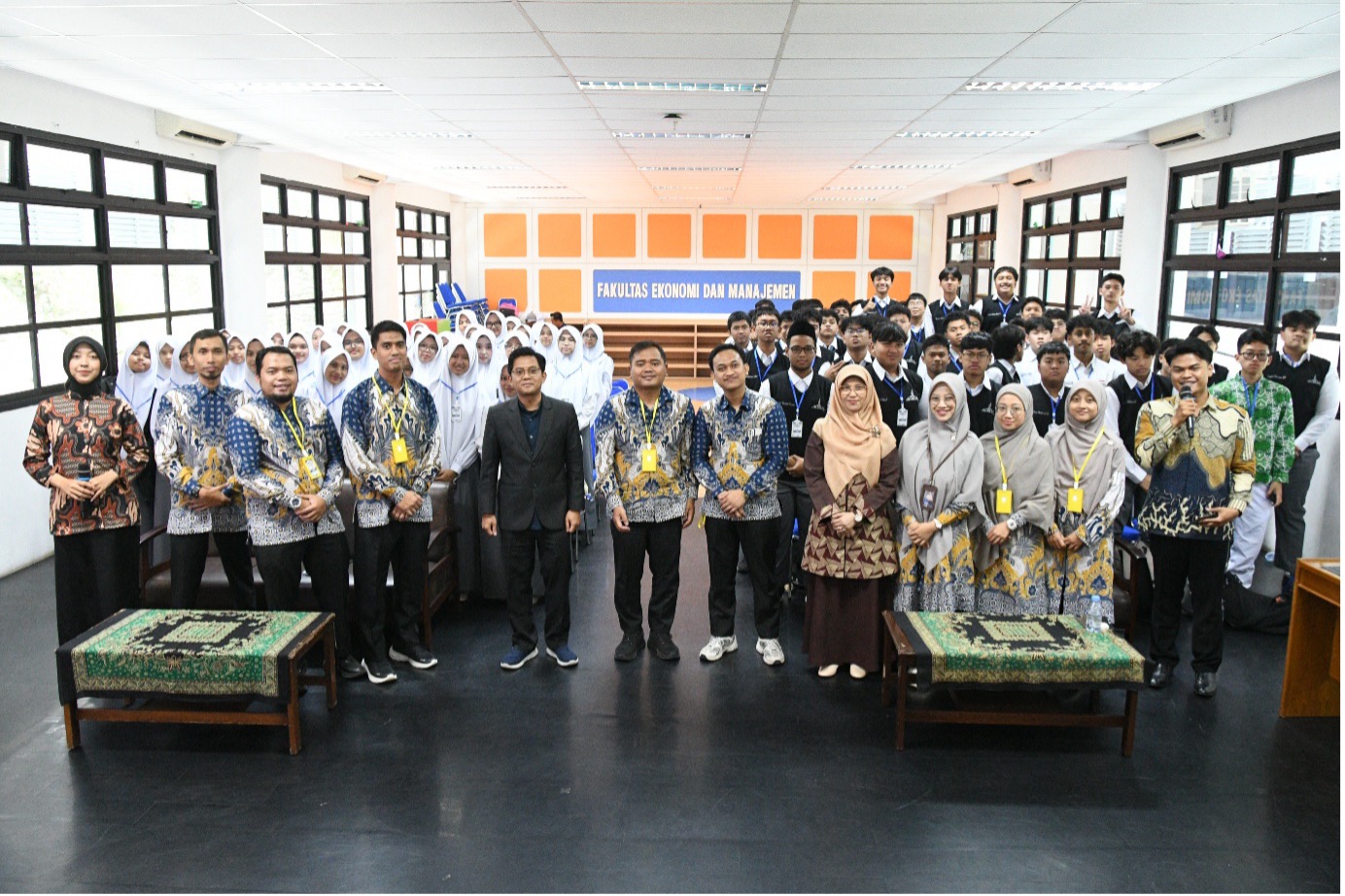
Fakultas Ekonomi dan Manajemen IPB University Terima Kunjungan 70 Siswa SMA Al Azhar IBS 28 Karanganyar, Jawa Tengah
BOGOR – Fakultas Ekonomi dan Manajemen (FEM) IPB University menerima kunjungan edukatif dari SMA Al…

October 7, 2026
THE 10th INTERNATIONAL CONFERENCE ON ZAKAT (ICONZ) CALL FOR PAPERS
Jakarta, Indonesia 24–26 November 2026 TOPICS OF INTEREST IMPORTANT DATES SUBMISSIONSubmission is FREE OF CHARGE…
October 6, 2026
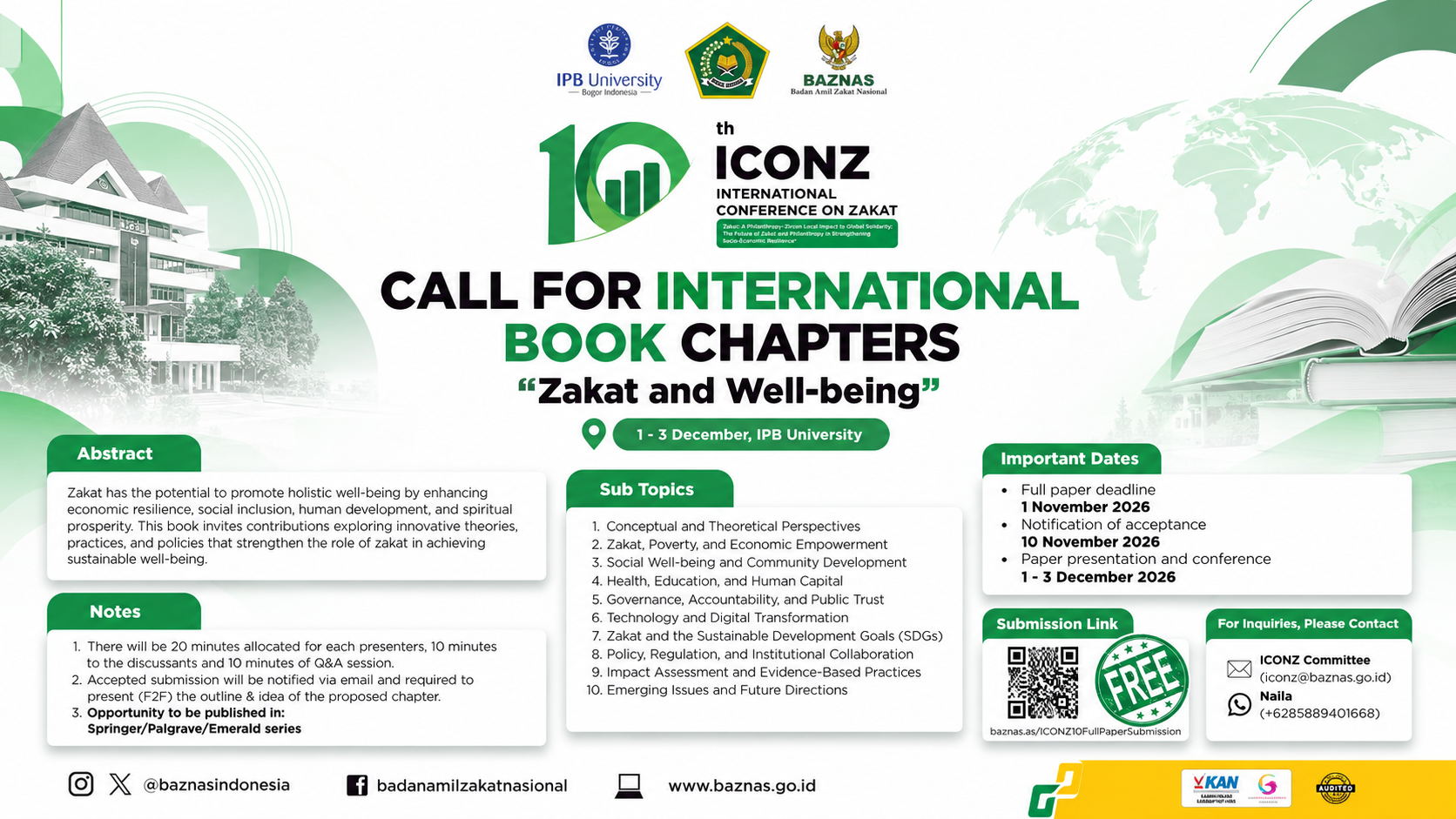
CALL FOR INTERNATIONAL BOOK CHAPTERS The 10th International Conference on Zakat (ICONZ)
Are you exploring the role of zakat in improving human well-being? We invite scholars, researchers,…

October 4, 2026
Fakultas Ekonomi dan Manajemen IPB Bersama Direktorat Kerja Sama, Komunikasi, dan Promosi Perkuat Strategi Promosi Penerimaan Mahasiswa 2027
Bogor – Fakultas Ekonomi dan Manajemen (FEM) IPB University bersama Direktorat Kerja Sama, Komunikasi, dan…